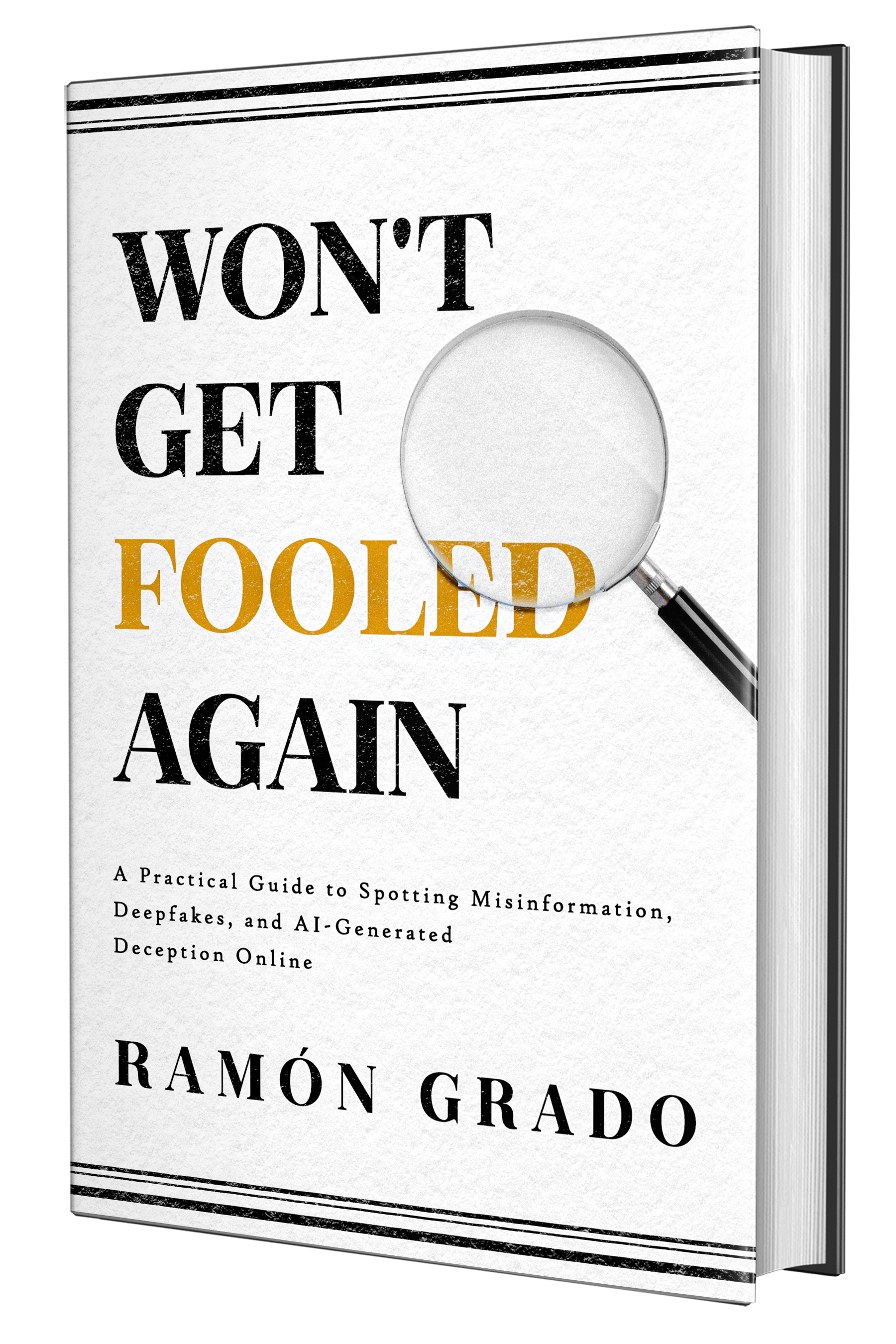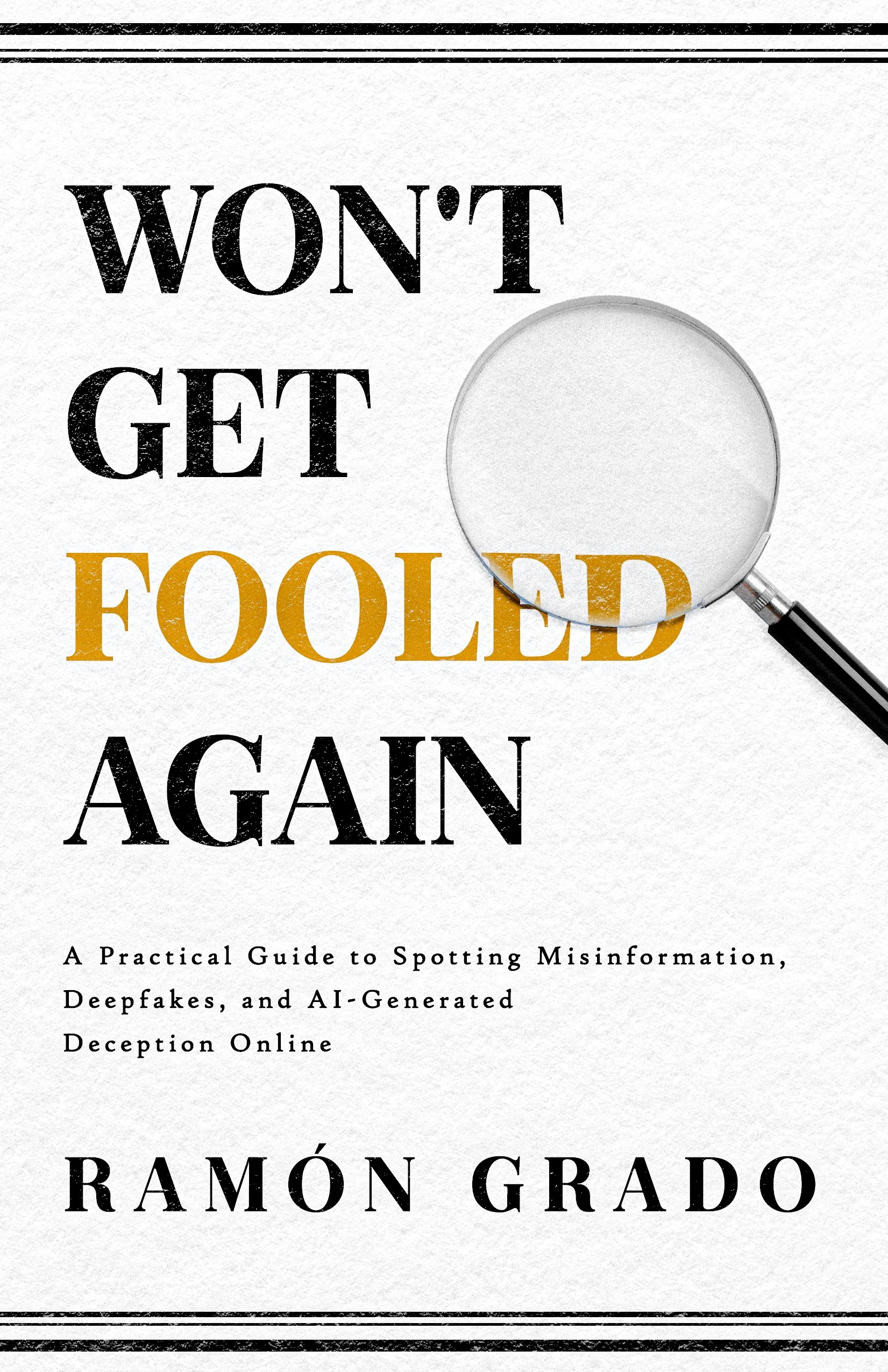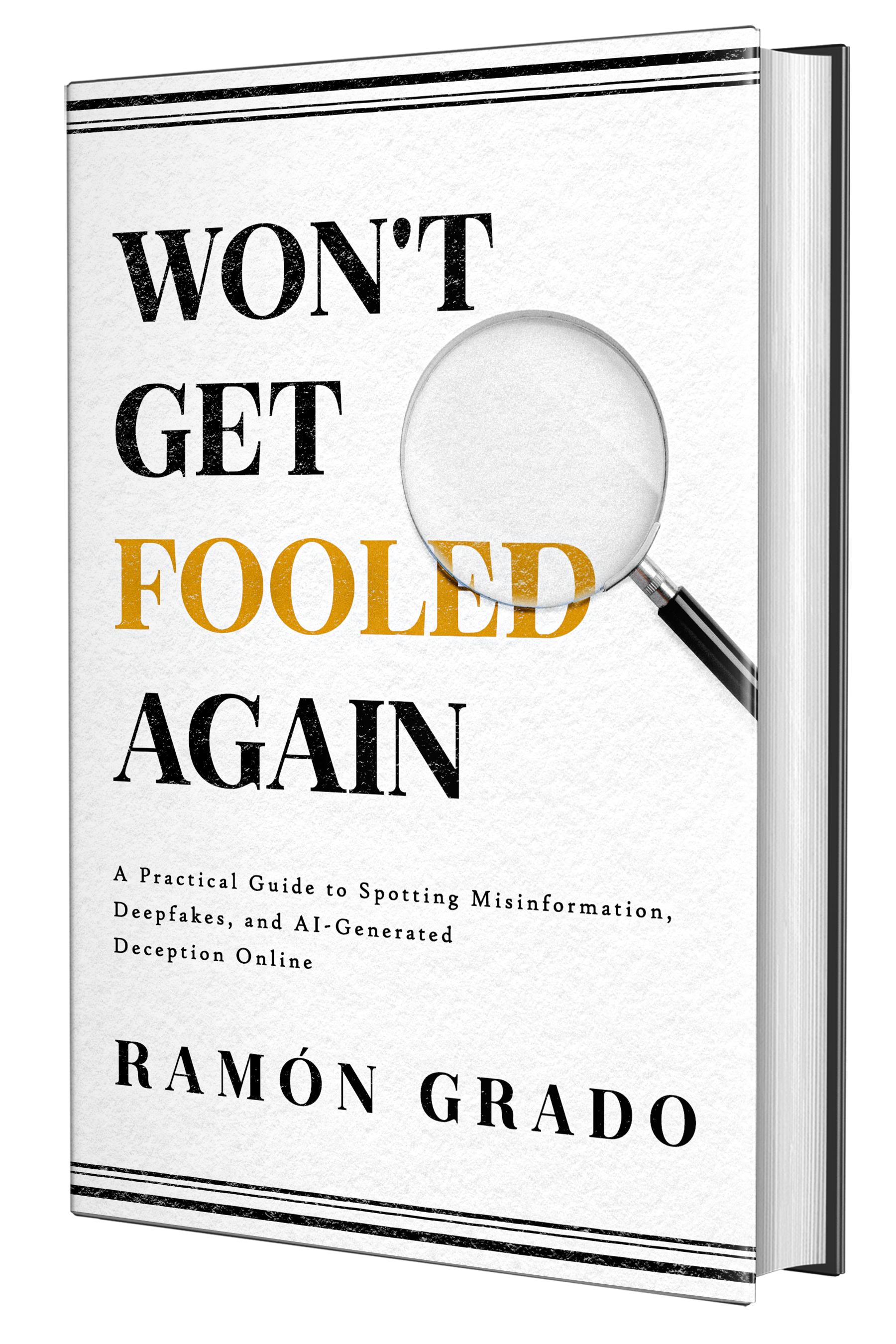
“Won’t Get Fooled Again” is now available on Amazon, Barnes & Noble, and Apple Books in either eBook or Paperback (Hardback coming soon!)
Here’s a sample from Chapter 1 of the book
1.5 Who Gets Targeted — and Why It Is Not About Intelligence
Before we go any further, we need to dismantle a harmful myth: that only unintelligent, uneducated, or gullible people fall for misinformation.
This is simply not true, and the research is clear on this point.
Studies by researchers at MIT, Stanford, Yale, and dozens of other institutions have found that susceptibility to misinformation correlates weakly, at best, with general intelligence or education level. In some studies, highly educated people are more susceptible to certain kinds of misinformation because they are better at constructing sophisticated-sounding rationalizations for what they already believe. The term “motivated reasoning” refers to this phenomenon, where we start with the conclusion we want and then cherry-pick reasons to support it.
What makes people susceptible to misinformation is not low intelligence. It is a combination of factors that affect all human beings to varying degrees: cognitive shortcuts that help us process information quickly (but sometimes lead us astray), emotional states that cloud our judgment, unfamiliarity with specific subjects, time pressure that prevents careful evaluation, and social environments where misinformation is normalized and repeated.
Research published in Science Advances in 2019 found that older adults share misinformation on social media at significantly higher rates than younger users, not because they are less intelligent, but because they grew up in a media environment that taught them to trust authoritative-looking sources. As we discussed in the opening of this chapter, we learned to trust the front page. We learned to believe photographs. We learned that video footage was irrefutable evidence. Those lessons served us well for decades. However, these sources have struggled to keep up in an era where front pages can be easily fabricated, AI is capable of generating photos, and videos can be manipulated to look authentic.
Understanding this is important, both for protecting yourself and for how you speak about these issues with others. Shaming people for being deceived does not make them more resistant to deception. It makes them less likely to admit when they have been fooled, which makes them less likely to correct the mistake and more likely to double down in defense of it. And it keeps the threat alive for you and me.
We are all vulnerable. The goal is not to be invulnerable — that is not achievable. The goal is to be more consistently careful, to have better tools and habits, and to be the kind of person who notices when something is off and knows what to do next.
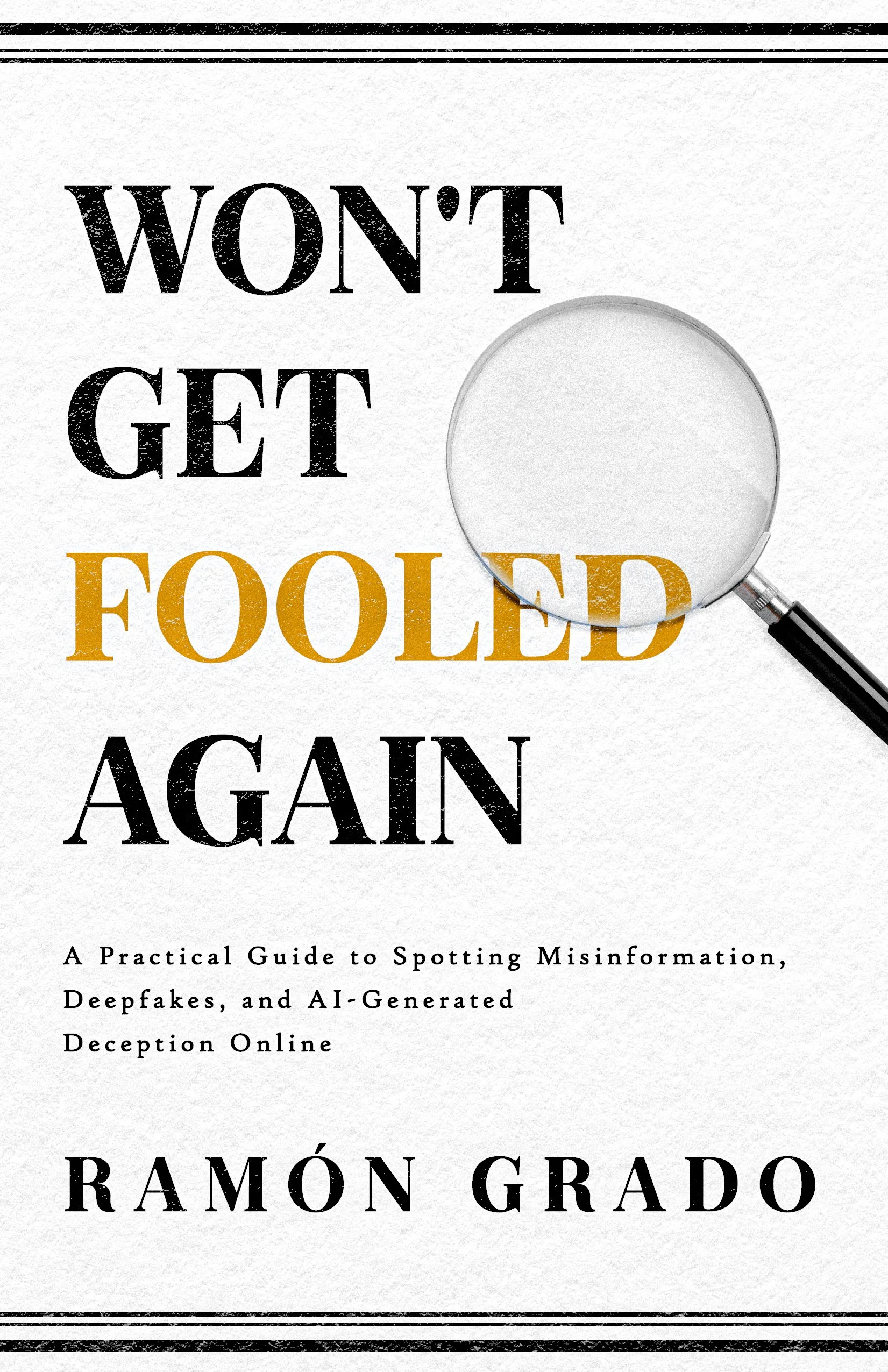
“Won’t Get Fooled Again” is available in eBook, Paperback and soon Hardcover